

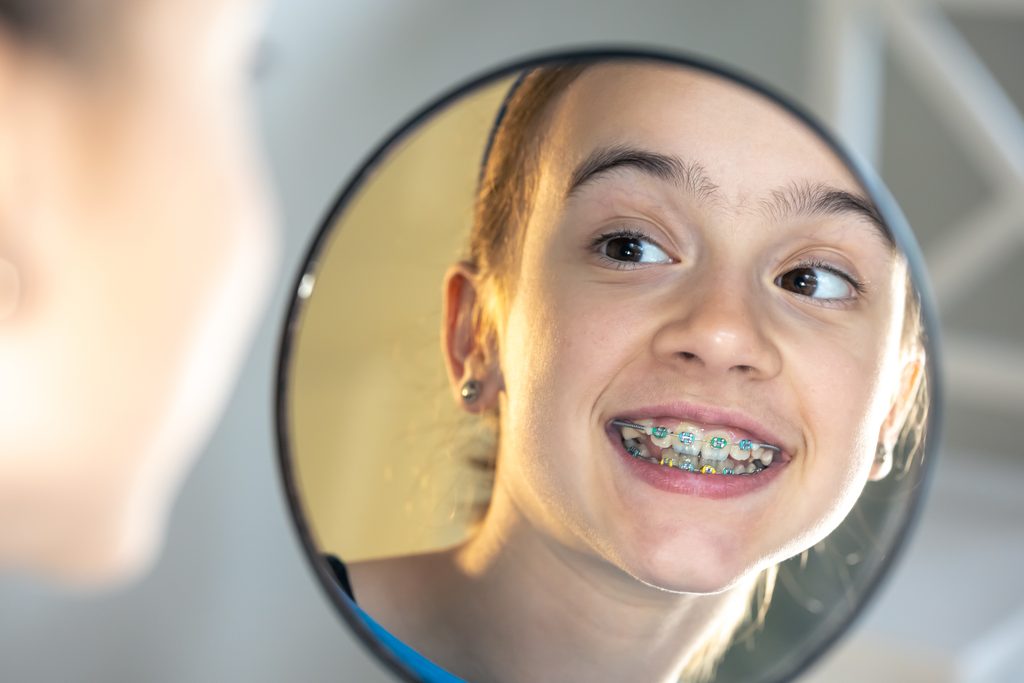
How to Fix Crooked Teeth Without Ugly Metal Braces
Crooked teeth are a common dental concern for both teenagers and adults. While some people are comfortable with their natural smile, others may feel self-conscious about crowded teeth, gaps, overlapping teeth, or a misaligned bite. These concerns can affect not only the appearance of a smile but also confidence in social situations.
For many years, traditional metal braces were one of the most familiar ways to straighten teeth. However, not everyone likes the idea of wearing visible metal brackets and wires for several months. Adults who work with clients, students who want a discreet treatment option, and anyone who prefers a more natural-looking smile often look for alternatives.
The good news is that modern orthodontic treatments offer several ways to improve tooth alignment without relying on conventional metal braces. Options such as clear aligners, Invisalign, ceramic braces, and other orthodontic appliances may help straighten teeth, depending on the individual’s needs.
If you are looking for a way to fix crooked teeth without noticeable metal braces, understanding these treatment options is the first step towards making an informed decision.
Why Do Teeth Become Crooked?
Crooked teeth can develop for several reasons. In some people, the condition runs in the family. Others may experience alignment problems as their permanent teeth grow or because their jaws and teeth do not have enough space to fit together properly.
Common causes of crooked teeth include:
- Genetics: The size and shape of your jaw, the size of your teeth, and inherited dental characteristics can influence how your teeth align.
- Overcrowding: When there is insufficient space in the jaw, teeth may overlap, rotate, or grow out of their normal positions.
- Gaps between teeth: Differences between tooth size and jaw size can create noticeable spaces.
- Childhood habits: Prolonged thumb-sucking, tongue-thrusting, or certain pacifier habits may contribute to alignment or bite problems.
- Early or delayed tooth loss: Losing baby teeth too early or retaining them longer than expected can affect how permanent teeth erupt.
- Bite problems: An overbite, underbite, or crossbite may develop when the upper and lower teeth do not fit together properly.
Understanding the cause of crooked teeth is important because the right treatment depends on the specific alignment problem. A dental professional can assess your teeth, gums, and bite to determine which option is suitable.
Can You Straighten Crooked Teeth Without Metal Braces?
Yes, many people can straighten their teeth without traditional metal braces. The most appropriate treatment depends on the severity of the misalignment, the condition of the teeth and gums, and the patient’s treatment goals.
Clear aligners are among the most popular alternatives because they use transparent, removable trays to gradually move teeth into planned positions. Other options, including ceramic braces and certain orthodontic appliances, may be appropriate for different cases.
However, it is important to understand that not every orthodontic problem can be treated in the same way. Mild crowding may require a relatively straightforward approach, while complex bite issues or severe misalignment may need more advanced orthodontic treatment.
A consultation with a qualified dental professional can help identify the safest and most effective option for your smile.
1. Clear Aligners: A Discreet Way to Straighten Teeth
Clear aligners are transparent trays designed to fit over your teeth. They apply controlled pressure to gradually move teeth towards their planned positions. Instead of using visible metal brackets and wires, the treatment uses a series of custom-made aligners.
Each set is designed to make small adjustments. As you progress through the series, your teeth gradually move towards the intended alignment.
How Do Clear Aligners Work?
The treatment usually begins with a dental examination. Your dentist or orthodontist checks your oral health, evaluates your bite, and determines whether clear aligners are suitable.
Digital scans or dental impressions may then be used to create a model of your teeth. Treatment-planning software can help map the proposed tooth movements and show a projected result.
A series of custom aligners is produced based on the treatment plan. You wear each set according to your dentist’s instructions before progressing to the next one.
Because the trays are removable, you can take them out for meals, brushing, and flossing. However, they generally need to be worn for around 20–22 hours per day, or for the duration recommended by your treating professional, to achieve the planned results.
Benefits of Clear Aligners
Clear aligners offer several advantages:
- Nearly invisible appearance: Transparent trays are less noticeable than traditional metal braces.
- Removable design: You can remove them for eating and cleaning your teeth.
- Comfortable fit: The smooth plastic surface avoids the brackets and wires associated with conventional braces, although temporary pressure or soreness is still possible.
- Easier oral hygiene: You can brush and floss normally after removing the trays.
- Convenient lifestyle: Many people find aligners easier to manage during work, studies, travel, and social activities.
Clear aligners can be a practical choice for people who want a discreet orthodontic option. Nevertheless, successful treatment depends on wearing them consistently and attending scheduled follow-up appointments.
2. Invisalign: A Popular Clear Aligner Treatment
Invisalign is a well-known clear aligner system that uses a series of custom-made transparent trays to move teeth gradually. It is designed to offer an alternative to conventional braces for suitable orthodontic cases.
Because the aligners are clear, they can be less noticeable when you speak, smile, or interact with others. This makes them appealing to adults and teenagers who prefer a more discreet treatment experience.
What Makes Invisalign Different?
Invisalign treatment is planned around the individual’s teeth and orthodontic requirements. Depending on the case, digital scanning, computer-assisted treatment planning, and additional orthodontic features may be used to guide tooth movement.
The aligners are removable, which allows patients to continue eating their usual foods without the food restrictions associated with fixed braces. You must remove them before eating or drinking anything other than water, unless your provider gives different product-specific instructions.
The treatment may be suitable for certain cases of:
- Mild to moderate crowding
- Gaps between teeth
- Some overbites and underbites
- Certain crossbites
- Teeth that have shifted after previous orthodontic treatment
More complex cases may also be treatable with clear aligners in some circumstances, sometimes with additional attachments or other orthodontic techniques. Suitability must be assessed individually.
Is Invisalign Suitable for Adults?
Yes. Adults can benefit from orthodontic treatment, provided their teeth and gums are healthy enough for the planned tooth movement.
Many adults choose Invisalign because they want to improve their smile without the prominent appearance of metal braces. The treatment can fit into professional and social lifestyles, but it still requires commitment.
You must wear the aligners as directed, keep them clean, maintain good oral hygiene, and attend regular dental reviews. Invisalign is not an instant solution, and treatment duration varies according to the complexity of the case.
3. Ceramic Braces: A Less Noticeable Fixed Option
Clear aligners are not the only alternative to metal braces. Ceramic braces use brackets made from tooth-coloured or translucent material, making them less conspicuous than traditional metal brackets.
Like conventional braces, ceramic braces are attached to the teeth and connected with an orthodontic wire. They apply controlled forces to move teeth into better positions.
Ceramic braces may be useful for patients who need fixed orthodontic treatment but prefer a less noticeable appearance.
Advantages of Ceramic Braces
- Tooth-coloured brackets blend more naturally with the teeth.
- They remain attached throughout treatment, so patients do not need to remember to insert aligners.
- They can treat many alignment problems that require fixed orthodontic appliances.
- They may be an option for patients who are not suitable candidates for removable aligners.
However, ceramic braces are still visible, and their wires may be noticeable. The brackets can also stain or become damaged if they are not cared for properly. Your orthodontist can explain whether ceramic braces or clear aligners would better suit your needs.
4. Can Crooked Teeth Be Fixed Without Any Braces?
Some people hope to correct crooked teeth without braces or aligners. However, the best option depends on what is causing the appearance of the misalignment.
Dental bonding or veneers may improve the appearance of certain small gaps, uneven edges, or minor shape differences. These cosmetic treatments do not move the teeth into new positions or correct the underlying bite.
For example, veneers may make selected teeth appear straighter by changing their visible shape. However, they involve different considerations from orthodontic treatment, including the possible need to remove some natural tooth structure.
If your teeth are significantly crowded, rotated, or affecting your bite, cosmetic procedures alone may not be appropriate.
It is also important to avoid unverified home remedies, online tooth-straightening kits without professional supervision, or attempts to move teeth yourself. Uncontrolled tooth movement can damage the gums, tooth roots, and supporting bone.
A proper dental assessment helps distinguish between cosmetic concerns and alignment problems that need orthodontic treatment.
How Long Does It Take to Fix Crooked Teeth?
The time needed to straighten crooked teeth varies from person to person. There is no single treatment duration that applies to everyone.
Factors that affect treatment time include:
- The severity of crowding or spacing
- Whether your bite needs correction
- The number and type of tooth movements required
- Your age and individual dental characteristics
- How consistently you wear removable aligners
- Whether additional procedures are needed during treatment
Some mild cases may be treated in several months, while more complicated cases can take a year or longer. Your dentist or orthodontist can provide a more realistic estimate after examining your teeth and preparing a treatment plan.
It is better to focus on achieving a healthy, stable result rather than choosing a treatment solely because it promises the fastest outcome.
Are Clear Aligners Comfortable?
Clear aligners are generally designed to fit closely over the teeth, with smooth surfaces that avoid many of the irritation issues associated with metal brackets and wires.
However, they are not completely free from discomfort. You may experience temporary pressure, tightness, or mild soreness when starting a new set of aligners. This can be a normal part of tooth movement.
To make treatment easier, follow your dentist’s instructions, clean your aligners as directed, and avoid exposing them to hot water that could distort the material. Remove them before eating and clean your teeth before putting them back in.
If an aligner causes severe pain, does not fit correctly, develops a sharp edge, or appears damaged, contact your dental professional instead of forcing it into place.
How Much Does It Cost to Fix Crooked Teeth Without Metal Braces?
The cost of straightening crooked teeth depends on the treatment method, the complexity of your case, the duration of treatment, and the dental clinic providing the service.
Clear aligners and Invisalign may have different prices depending on the treatment plan and the number of aligners required. Ceramic braces may also differ in cost from conventional metal braces.
Additional expenses may apply for diagnostic records, scans, retainers, or other necessary dental procedures. The availability of payment plans also varies between clinics.
Rather than comparing prices alone, ask what is included in the quoted cost. It is helpful to understand the treatment duration, review schedule, refinement policy, retainer arrangements, and any additional charges before starting.
For an accurate estimate, arrange a consultation with a dental professional who can assess your teeth and explain the available options.
Why Is Choosing the Right Dental Clinic Important?
Straightening teeth involves more than improving their appearance. Proper treatment planning should consider your bite, gum health, tooth roots, jaw relationship, and long-term oral health.
An experienced dental professional can evaluate your individual needs, explain the benefits and limitations of each option, and help you choose a treatment that fits your lifestyle.
Before beginning treatment, ask questions such as:
- Am I a suitable candidate for clear aligners or Invisalign?
- What results can realistically be achieved in my case?
- How long is the expected treatment period?
- How often will I need follow-up appointments?
- Will I need attachments, additional orthodontic treatment, or refinements?
- What type of retainer will I need after treatment?
These questions can help you make an informed decision and understand what to expect throughout the process.
How Can RISUS Dental Clinic Help You Achieve a Straighter Smile?
If you are concerned about crooked teeth and prefer an alternative to traditional metal braces, RISUS Dental Clinic in Nagaram, Hyderabad, can be a place to explore your orthodontic treatment options.
The clinic offers dental care for patients looking to improve their oral health and smile. If you are interested in Invisalign or clear aligners, arrange a consultation to discuss your alignment concerns and find out whether this treatment is suitable for you.
During your consultation, ask about the examination process, digital scanning where appropriate, treatment planning, estimated duration, and expected costs. Your dentist can assess your teeth and bite before recommending a suitable approach.
Whether your concern is crowding, gaps, or teeth that have shifted over time, the right treatment plan should be based on your dental condition rather than appearance alone.
Clinic: RISUS Dental Clinic
Location: Nagaram, Hyderabad, Telangana
Nearby areas: ECIL, A.S. Rao Nagar, Cherlapally, and surrounding localities
Contact the clinic to enquire about a consultation and learn more about options for achieving a straighter, healthier-looking smile.
Final Thoughts
You do not necessarily need traditional metal braces to improve crooked teeth. Clear aligners, Invisalign, ceramic braces, and selected cosmetic treatments can offer alternatives, depending on your individual dental needs.
Clear aligners are particularly appealing to people who want a discreet, removable option that fits into everyday life. However, they require consistent wear, professional supervision, and proper oral hygiene to achieve the best possible results.
The first step is to have your teeth and bite assessed by a qualified dental professional. With the right diagnosis, a realistic treatment plan, and regular follow-up care, you can work towards a smile that looks good, feels comfortable, and supports long-term oral health.
Ready to explore a straighter smile without noticeable metal braces? Contact RISUS Dental Clinic in Nagaram, Hyderabad, to discuss your options for clear aligners and Invisalign treatment.