

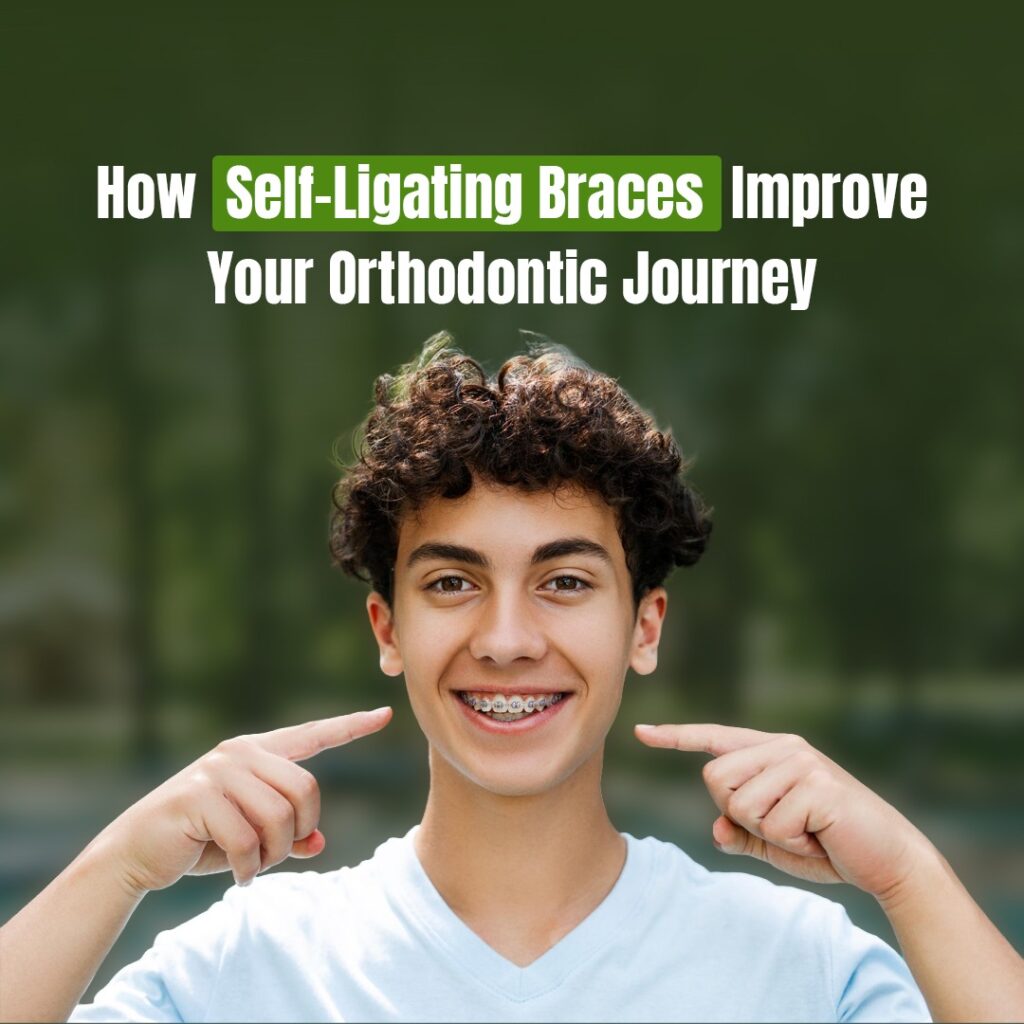
When it comes to achieving a straighter, healthier smile, most people imagine the traditional set of metal braces with colorful rubber bands. While these braces have been used successfully for decades, orthodontics has advanced significantly in recent years. One of the most exciting innovations in this field is self-ligating braces.
Unlike conventional braces, self-ligating braces use a specialized clip or bracket system that holds the archwire in place without the need for elastic bands. This small difference leads to major improvements in comfort, treatment efficiency, and overall results. In this article, we’ll take a closer look at how self-ligating braces can transform your orthodontic journey, making it smoother, faster, and more effective.
Understanding the Basics: What Are Self-Ligating Braces?
Before diving into the benefits, it’s important to understand how these braces work. Traditional braces rely on elastic ties or metal wires to secure the archwire to each bracket. Over time, these elastic bands create friction, making it harder for the wire to move teeth smoothly. They also need frequent tightening, which can cause discomfort and longer visits to the orthodontist.
Self-ligating braces, on the other hand, use a built-in sliding mechanism or clip within each bracket. This clip holds the wire in place while still allowing it to move more freely. Because the wire moves with less resistance, the teeth can shift more efficiently, and patients often experience less pressure and pain compared to traditional braces.
There are two main types of self-ligating braces:
- Passive self-ligating braces – use a smaller clip that allows the wire to slide more freely.
- Active self-ligating braces – use a clip that applies a small amount of pressure on the wire to guide tooth movement.
Both types offer unique benefits, but the common theme is reduced friction, increased comfort, and potentially faster results.
The Advantages of Self-Ligating Braces
1. Faster Treatment Times
One of the biggest appeals of self-ligating braces is their ability to shorten treatment duration. Because the brackets reduce friction, the archwire can move teeth into place more efficiently.
While the exact timeline depends on individual cases, many patients finish treatment several months earlier compared to traditional braces. This means fewer appointments and an earlier opportunity to enjoy a beautifully straight smile.
2. Fewer Orthodontic Appointments
Anyone who has worn traditional braces knows that monthly tightening appointments are part of the process. With self-ligating braces, these adjustments are less frequent.
Since the sliding mechanism maintains consistent pressure on the teeth, patients may only need to visit the orthodontist every 8–10 weeks instead of every 4–6 weeks. This is especially beneficial for busy students, working professionals, or anyone who struggles to fit frequent dental visits into their schedule.
3. Enhanced Comfort
Traditional braces can cause soreness after adjustments, largely due to the tightening of elastic ties. Self-ligating braces eliminate the need for these ties, reducing the pressure applied during adjustments.
Patients often report less discomfort and quicker adaptation when switching to self-ligating braces. The smoother brackets and lighter forces also minimize irritation to the cheeks and gums.
4. Easier Oral Hygiene
Maintaining good oral hygiene during orthodontic treatment is always a challenge. Elastic ties on traditional braces tend to trap food particles and plaque, making it harder to keep teeth clean.
With self-ligating braces, there are no elastic ligatures to worry about. This means fewer places for food and bacteria to hide, making brushing and flossing simpler. As a result, patients are less likely to develop cavities, gum disease, or permanent white spots on their teeth.
5. Aesthetic Options
Many people are hesitant about braces because of their appearance. Fortunately, self-ligating systems are available in both metal and clear ceramic brackets.
Ceramic self-ligating braces blend in with the natural tooth color, offering a discreet option for adults and teens who want effective treatment without the noticeable look of traditional metal braces.
6. Better Long-Term Results
Because self-ligating braces allow for more natural tooth movement, they often result in better arch development and improved facial aesthetics. By expanding the dental arch in a balanced way, these braces can create a fuller, more attractive smile rather than simply straightening individual teeth.
This means patients not only get straighter teeth but also enjoy a more harmonious facial profile and long-lasting results.
Comparing Self-Ligating Braces with Other Orthodontic Options
When considering orthodontic treatment, patients often wonder how self-ligating braces stack up against traditional braces and clear aligners like Invisalign.
Self-Ligating vs. Traditional Braces
- Comfort: Self-ligating braces apply gentler forces, making them more comfortable.
- Appointments: Fewer visits are required.
- Hygiene: Easier to clean without elastic ties.
- Treatment time: Often shorter.
Self-Ligating vs. Clear Aligners (Invisalign)
- Visibility: Aligners are nearly invisible, but ceramic self-ligating braces can also be discreet.
- Discipline: Aligners require strict patient compliance (20–22 hours a day). Self-ligating braces are fixed, so there’s no risk of forgetting to wear them.
- Complex cases: Self-ligating braces are often better for severe bite problems or complex tooth movements.
The Orthodontic Journey with Self-Ligating Braces
Choosing self-ligating braces is just the beginning. Here’s what patients can typically expect throughout their treatment:
- Consultation and Diagnosis – Your orthodontist will take X-rays, photos, and impressions to evaluate your teeth and bite.
- Placement of Braces – The self-ligating brackets are bonded to the teeth, and the archwire is secured with the built-in clips.
- Initial Adjustment Period – Mild soreness may occur for a few days, but it usually subsides quickly.
- Progressive Adjustments – Every 8–10 weeks, your orthodontist will check progress and adjust wires as needed.
- Completion of Treatment – Once your teeth are properly aligned, the braces are removed.
- Retention Phase – Wearing retainers helps maintain your new smile long-term.
Common Myths About Self-Ligating Braces
Despite their growing popularity, there are still some misconceptions about self-ligating braces. Let’s clear them up:
- “They’re completely pain-free.” – While more comfortable than traditional braces, patients may still feel mild soreness, especially after adjustments.
- “They work twice as fast.” – They often reduce treatment time, but the improvement is usually measured in months, not years.
- “They don’t need adjustments.” – They require fewer appointments, but you’ll still need to see your orthodontist regularly.
- “They’re only for adults.” – Self-ligating braces are suitable for both teens and adults.
Who Is a Good Candidate for Self-Ligating Braces?
Self-ligating braces are effective for treating a wide range of orthodontic issues, including:
- Crowded teeth
- Spacing problems
- Overbite, underbite, or crossbite
- Misaligned dental arches
They may not be the perfect solution for everyone, but most patients who are eligible for traditional braces can also benefit from self-ligating braces.
Cost Considerations
On average, self-ligating braces tend to cost slightly more than traditional braces because of the advanced technology used in their brackets. However, the benefits—fewer visits, potentially shorter treatment time, and improved comfort—make them a worthwhile investment for many patients.
The exact cost depends on factors such as:
- The severity of your dental issues
- Length of treatment
- Type of self-ligating braces (metal vs. ceramic)
- The clinic’s location and expertise
Many orthodontists also offer flexible payment plans to make treatment more affordable.
Tips for Success During Your Treatment
To get the most out of your self-ligating braces journey, follow these tips:
- Maintain excellent oral hygiene – Brush twice daily and floss regularly.
- Avoid hard and sticky foods – To prevent damage to brackets and wires.
- Follow your orthodontist’s instructions – Including retainer use after treatment.
- Stay consistent with appointments – Even though they are fewer, they’re still essential.
- Stay patient and positive – The results will be worth the effort.
Final Thoughts
Self-ligating braces represent a major step forward in orthodontic care. By eliminating elastic ties and reducing friction, they make treatment faster, more comfortable, and easier to manage. For patients seeking a balance between efficiency, comfort, and results, self-ligating braces are a fantastic choice.
Your orthodontic journey is a personal one, but with modern solutions like self-ligating braces, you can enjoy a smoother path to achieving the smile of your dreams. Whether you’re a teenager just starting treatment or an adult finally investing in your dental health, these braces offer a combination of innovation and effectiveness that truly improves the orthodontic experience.