
Teeth Whitening Treatments That Actually Work — A Dentist’s Guide
A bright, white smile is often associated with confidence, youth, and good oral hygiene. In today’s world, where selfies, social media, and professional appearances matter more than ever, many people are searching for safe and effective ways to whiten their teeth. But with so many products and treatments available — from whitening toothpastes to professional laser procedures — it can be confusing to know what truly works and what is just marketing hype.
As dental professionals at Risus Dental Clinic, we often meet patients who have tried multiple home remedies without seeing real results. Some experience sensitivity, while others are disappointed because the whitening effect fades too quickly. The truth is, not all whitening treatments are created equal. The effectiveness depends on the cause of discoloration, the type of treatment chosen, and how well it is performed.
In this detailed guide, we’ll explain how teeth become stained, which whitening treatments actually work, and how you can safely achieve a brighter smile under professional guidance.
Why Do Teeth Become Discolored?
Before understanding whitening treatments, it’s important to know why teeth lose their brightness in the first place. Tooth discoloration can happen for several reasons, and identifying the cause helps determine the best treatment.
1. Extrinsic Stains (Surface Stains)
These stains occur on the outer layer of the tooth (enamel). They are usually caused by:
- Coffee and tea
- Red wine
- Tobacco use
- Dark-colored foods
- Poor oral hygiene
Surface stains are generally easier to remove and respond well to professional cleaning and whitening treatments.
2. Intrinsic Stains (Internal Stains)
These stains occur within the tooth structure and may result from:
- Aging
- Trauma or injury to a tooth
- Certain medications (like tetracycline)
- Excess fluoride exposure
- Root canal treatments
Intrinsic stains are more stubborn and often require professional-grade whitening or cosmetic procedures.
3. Age-Related Discoloration
As we age, the enamel naturally becomes thinner. This reveals more of the yellowish dentin underneath, making teeth appear darker. Professional whitening treatments are usually the most effective solution for age-related discoloration.
Do Over-the-Counter Whitening Products Really Work?
Many people start with store-bought whitening products because they are affordable and easily available. Let’s look at the common options and how effective they are.
Whitening Toothpaste
Whitening toothpaste contains mild abrasives that help remove surface stains. Some also contain small amounts of peroxide. However, they do not change the natural color of your teeth. They can only brighten your smile slightly by removing superficial stains.
Effectiveness: Mild improvement
Best For: Surface stains
Limitation: No deep whitening effect
Whitening Strips
These are thin plastic strips coated with peroxide-based gel. They are applied directly to the teeth for a specified time each day.
Effectiveness: Moderate for mild stains
Best For: Slight discoloration
Limitation: Uneven application, temporary results, possible sensitivity
Whitening Gels and Pens
These products are applied directly onto the teeth using a brush or pen applicator.
Effectiveness: Mild to moderate
Limitation: Short contact time, inconsistent results
While over-the-counter options can help with minor staining, they are not strong enough for deeper discoloration. Many patients eventually seek professional help for noticeable and longer-lasting results.
Professional Teeth Whitening Treatments That Actually Work
When it comes to safe, fast, and dramatic results, professional teeth whitening performed by a dentist is the gold standard.
1. In-Office Professional Whitening
This is the most effective and fastest way to whiten teeth. It is performed under dental supervision using high-concentration bleaching agents.
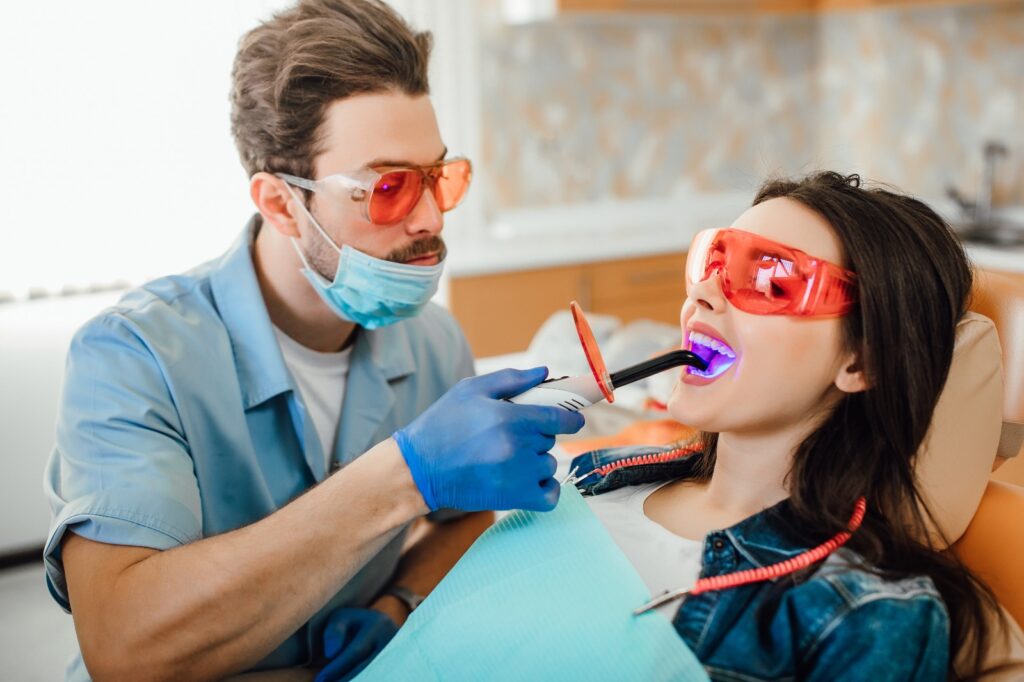
At Risus Dental Clinic, we begin with a thorough dental examination to ensure your teeth and gums are healthy. A protective barrier is applied to the gums before placing a professional-grade whitening gel on the teeth. In some cases, a special light or laser may be used to enhance the whitening process.
Benefits:
- Visible results in just one session
- Safe and controlled procedure
- Minimal risk of gum irritation
- Long-lasting results with proper care
Patients can see their teeth lighten by several shades in a single visit.
2. Laser Teeth Whitening
Laser whitening is a type of in-office treatment where a laser activates the whitening gel. The heat from the laser speeds up the chemical reaction, enhancing the whitening effect.
Advantages:
- Faster results
- More dramatic shade improvement
- Ideal for special occasions
While highly effective, it may not be suitable for patients with severe sensitivity.
3. Custom Take-Home Whitening Kits (From Your Dentist)
Unlike store-bought kits, dentist-prescribed kits are customized to fit your teeth perfectly. Custom trays ensure even distribution of the whitening gel and reduce gum irritation.
Benefits:
- Gradual, controlled whitening
- Less sensitivity compared to in-office treatments
- Convenient for home use
- More effective than over-the-counter kits
These kits usually contain professional-strength peroxide and deliver noticeable results within 1–2 weeks.
Which Whitening Treatment Is Best for You?
Choosing the right treatment depends on:
- Severity of discoloration
- Tooth sensitivity
- Budget
- Desired speed of results
- Overall oral health
For mild staining, a professional cleaning may be enough. For moderate to severe discoloration, in-office whitening is typically recommended. For patients who prefer gradual results, custom take-home kits are ideal.
A consultation with a qualified dentist ensures the safest and most effective approach.
Are Teeth Whitening Treatments Safe?
When performed under professional supervision, teeth whitening is generally safe. However, some temporary side effects may include:
- Tooth sensitivity
- Mild gum irritation
- Temporary discomfort
These symptoms usually subside within a few days. Using desensitizing toothpaste and following your dentist’s aftercare instructions can help minimize discomfort.
Avoid DIY remedies like baking soda and lemon juice. These can damage enamel and cause permanent harm.
How Long Do Whitening Results Last?
The longevity of whitening results depends on lifestyle habits and oral hygiene. On average:
- In-office whitening can last 1–3 years
- Take-home kits may last 6–12 months
To maintain results:
- Avoid excessive coffee, tea, and red wine
- Quit smoking
- Brush and floss daily
- Visit your dentist regularly for cleaning
Touch-up treatments can help maintain brightness over time.
When Whitening May Not Work
Teeth whitening is not effective for:
- Dental crowns
- Veneers
- Fillings
- Severely damaged teeth
In such cases, cosmetic treatments like veneers or crowns may be recommended to achieve uniform color.
Professional Advice: What Dentists Recommend
As experienced dental professionals at Risus Dental Clinic, our recommendation is always to begin with a proper dental evaluation. Whitening should never be done on teeth with untreated cavities, gum disease, or exposed roots.
A customized treatment plan ensures:
- Safe application
- Even whitening
- Reduced sensitivity
- Long-lasting results
Your smile deserves expert care, not guesswork.
Final Thoughts
Teeth whitening can dramatically improve your appearance and confidence — but only when done correctly. While over-the-counter products may offer mild improvements, professional treatments provide safer, faster, and more noticeable results.
If you’re considering whitening your teeth, consult a qualified dental professional to determine the best option for your specific needs. A brighter smile is possible — and with the right approach, it can be both safe and long-lasting.
At Risus Dental Clinic, we are committed to helping you achieve a healthy, radiant smile through advanced and personalized dental care.
Because your smile is more than just teeth — it’s your confidence, your personality, and your first impression.